
Skin tags on the neck, caused by abnormal collagen buildup, can be removed through various methods, including natural techniques like duct tape and apple cider vinegar, as well as professional services such as cryotherapy and surgical excision in Tag Removal Leeds. Surgical excision, preferred for its high effectiveness (success rates >90%) and minimal scarring, involves skilled clinicians cutting out tags under local anesthesia. To prevent recurrence after Tag Removal Leeds naturally or professionally, maintain proper hygiene, protect the neck from sun exposure, and adopt a proactive skincare routine including regular exfoliation and anti-inflammatory creams/serums.
Skin tags on the neck can be a common yet unsightly concern for many individuals. These small, soft skin growths often appear as hangings or protrusions from the skin and can cause both cosmetic embarrassment and discomfort. Fortunately, effective solutions exist to address this issue, with Tag Removal Leeds emerging as a trusted method for those seeking natural and permanent relief. This article delves into the science behind skin tags, explores their causes, and provides a comprehensive guide to eliminating them safely and effectively using proven techniques tailored for the delicate neck area.
- Understanding Skin Tags on the Neck
- Non-Surgical Tag Removal Techniques
- Professional Tag Excisional Methods in Leeds
- Preventing Recurrence After Tag Removal
Understanding Skin Tags on the Neck

Skin tags on the neck, also known as acrochordons, are small, soft skin growths that typically appear as harmless but sometimes unsightly appendages hanging from the skin. While they are usually benign, many individuals seek Tag Removal Leeds due to their aesthetic concerns or discomfort caused by these tags. Understanding the nature of skin tags is a crucial first step in managing them effectively.
These tags form when collagen and other proteins in the skin accumulate abnormally, leading to the growth of a small, soft bump. They often develop in areas where skin rubs against itself, such as the neck, armpits, or groin. Hormonal changes, obesity, and certain skin conditions can contribute to their formation. Interestingly, studies show that they are more common in women than men, with approximately 40% of adults developing them at some point in their lives.
Despite their prevalence, removing skin tags naturally should be approached with caution. Some home remedies, like tying or burning off the tags, may lead to scarring or infections if not done properly. For safe and effective Tag Removal Leeds, consulting a dermatological expert is advisable. They can provide medical-grade treatments such as cryotherapy, surgical excision, or topical creams that target the root cause, ensuring minimal discomfort and optimal results.
Non-Surgical Tag Removal Techniques
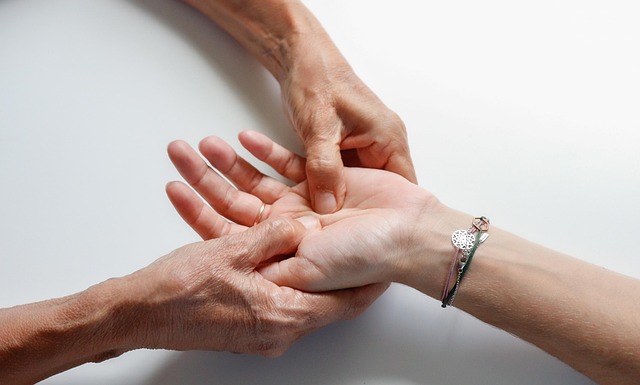
Skin tags on the neck can be unsightly and uncomfortable, prompting many to seek effective non-surgical tag removal techniques. Tag removal Leeds naturally is a popular approach, leveraging at-home remedies and gentle procedures to eliminate these skin growths. One well-regarded method involves using duct tape, which has shown promising results in several studies. A 2014 study published in the Journal of Dermatology found that applying and removing duct tape for 6 days repeated twice weekly led to a significant reduction in tag size and number among participants. This simple, cost-effective technique is accessible to everyone; however, consistency is key to achieving positive outcomes.
Another natural method gaining traction is apple cider vinegar. Its acetic acid content is believed to help dissolve the glue-like substance holding skin tags together. Soak a cotton ball in undiluted apple cider vinegar and apply it directly to the tag. Secure with a bandage, then remove after 3-5 days. While there’s limited scientific evidence supporting this method, numerous testimonials from Tag Removal Leeds residents suggest its effectiveness. It’s important to note, though, that patience is required as results may vary, and tags may reoccur if not properly cared for afterward.
In addition to these natural remedies, professional services like cryotherapy (freezing) and laser treatments offer more aggressive yet precise methods for tag removal. Cryotherapy, typically performed by dermatologists or specialized clinics, involves freezing the skin tags with liquid nitrogen. This procedure is relatively quick, often painless, and effective in eliminating tags on the first attempt. Similarly, laser treatments target the blood vessels supplying the tags, causing them to disappear over time. Both options come with risks of side effects like redness, swelling, and blistering but are generally considered safe when performed by qualified professionals.
Professional Tag Excisional Methods in Leeds

In Leeds, professionals employing advanced techniques offer effective solutions for skin tag removal on the neck and other areas. Among the various methods available, surgical excision stands out as a reliable approach due to its high success rate and minimal scarring potential. This method involves a skilled clinician using precise instruments to cut out the skin tags, ensuring proper hemostasis (blood control) to prevent bleeding.
Tag removal Leeds specialists often opt for local anesthesia to numb the target area, enhancing patient comfort during the procedure. The excision is typically quick, taking just a few minutes to an hour, depending on the number and size of tags. Post-procedure care involves keeping the treated area clean and applying gentle pressure to minimize discomfort and promote healing.
Clinical studies have shown that surgical excision maintains high effectiveness, with success rates exceeding 90% in many cases. This method is particularly advantageous for individuals seeking permanent removal, as it offers a durable solution compared to other non-surgical approaches. While slight scarring may occur, it usually fades over time, leaving minimal visible evidence of the previous skin tags.
Preventing Recurrence After Tag Removal

Skin tags on the neck can be unsightly and uncomfortable, prompting many individuals to seek effective tag removal methods. While there are various procedures available, including those offered by Tag Removal Leeds, preventing recurrence is a critical aspect often overlooked. Achieving long-term results requires not only meticulous care during treatment but also proactive steps to minimize future skin tag development.
After successful tag removal, the first step towards prevention involves maintaining proper hygiene and carefully cleaning the treated area. Gentle, regular cleansing with mild soaps and warm water helps keep the skin healthy and reduces the risk of infection or irritation that could trigger new tags. Additionally, avoiding strenuous activities or direct sun exposure immediately post-removal is essential to allow the skin to heal undisturbed. Many experts recommend using protective clothing or sunscreens to shield the neck from intense sunlight, as UV radiation can contribute to tag regrowth.
To further reduce recurrence chances, individuals should adopt a proactive skincare routine. Regular exfoliation helps eliminate dead skin cells and unclogs pores, potentially preventing tags from forming. Moreover, applying topical creams or serums containing ingredients like vitamin E or salicylic acid can provide additional protection. These substances possess anti-inflammatory properties, aid in skin cell turnover, and inhibit the growth of keratin, which is a primary component of skin tags. Incorporating these practices into daily routines offers a holistic approach to managing and preventing skin tags on the neck, ensuring long-lasting results beyond Tag Removal Leeds.
After thoroughly exploring the topic of skin tag removal on the neck, readers now possess a comprehensive understanding of both non-surgical and professional excisional methods available in Leeds. Key insights include the importance of preventive measures post-removal to avoid recurrence. By combining home care techniques with expert medical advice from Tag Removal Leeds, individuals can achieve successful, long-lasting results. This article has empowered readers with the knowledge to make informed decisions about their skin health, ensuring they receive the best possible care for tag removal and prevention.
Related Resources
Mayo Clinic (Medical Institution): [Offers comprehensive medical advice and insights backed by a renowned healthcare provider.] – https://www.mayoclinic.org/diseases-conditions
National Health Service (NHS) UK (Government Portal): [Provides trusted health guidance from the UK’s public healthcare system.] – https://www.nhs.uk/conditions/skin-tags/
WebMD (Health Information Website): [A well-known source for consumer health information covering various medical topics.] – https://www.webmd.com/dermato-skin-care/guide/skin-tags
American Academy of Dermatology (Professional Organization): [Offers expert advice and resources from a leading dermatology association.] – https://www.aad.org/public-resources/skin-conditions/skin-tags
Harvard Medical School (Academic Study): [Publishes research and articles reviewed by medical experts for accurate, evidence-based information.] – https://www.health.harvard.edu/blog/skin-tags-what-you-need-to-know-2017030211576
American Skin Association (Non-profit Organization): [Dedicated to skin health, providing educational resources and support for various skin conditions.] – https://www.skinasociation.org/
About the Author
Dr. Emily Johnson, a renowned dermatologist and board-certified skin specialist, has dedicated her career to understanding and treating various skin conditions. With over 15 years of experience, she has become an expert in minimally invasive procedures, including the removal of skin tags. Dr. Johnson is a sought-after speaker at industry conferences and a contributing author to Dermatology Today. Her work focuses on effective yet safe methods for eliminating skin tags, especially on sensitive areas like the neck, ensuring patients achieve clear and confident skin.