
Skin tags can be safely and effectively removed through various methods, including cryotherapy with liquid nitrogen, surgical excision, and laser treatments in Tag Removal Leeds. Size, location, and number of tags guide method choice. Cryotherapy offers a high success rate (over 90%) but may cause temporary side effects. Consulting experienced professionals in Oxford, Birmingham, or Exeter ensures tailored solutions for individual needs. Liquid nitrogen freezing is a non-invasive approach with minimal downtime, proven effective in clinical trials.
Key steps include consultation with a dermatologist, local anesthesia, liquid nitrogen application in freeze-thaw cycles, and post-treatment care. Prioritize expertise and safety when choosing Tag Removal Leeds providers, focusing on size, type, and number of tags. After treatment, maintain cleanliness, protect from sunlight, avoid friction, and monitor for signs of infection to ensure proper healing.
Skin tags are a common concern for many individuals, often appearing as small, soft skin growths in areas like the neck, armpits, or groin. While they are typically harmless, some people seek to remove them for cosmetic reasons or to alleviate irritation. In this authoritative piece, we delve into an effective and widely used method for skin tag removal: liquid nitrogen. Tag removal Leeds has long been a trusted approach, offering a safe and relatively painless solution that has proven its worth in professional dermatological settings. We’ll guide you through the process, highlighting its benefits and ensuring you have all the information needed to make an informed decision regarding your skin health.
- Understanding Skin Tags: Causes and Characteristics in Tag Removal Leeds
- Liquid Nitrogen: A Safe and Effective Method for Skin Tag Disappearance
- The Procedure: Step-by-Step Guide to Freezing Off Skin Tags
- Choosing the Right Clinic: Tips for Selectings a Professional in Tag Removal Leeds
- Post-Treatment Care: Healing and Potential Side Effects After Liquid Nitrogen Application
Understanding Skin Tags: Causes and Characteristics in Tag Removal Leeds

Skin tags, those small, soft bumps that can develop anywhere on the body, are a common skin concern. While they are usually harmless, many individuals seek Tag Removal Leeds due to aesthetic preferences or discomfort caused by their presence. Understanding the causes and characteristics of skin tags is essential in effectively addressing this issue.
Skin tag removal specialists, such as those found in Oxford, Birmingham, and Exeter, often encounter a wide range of skin tag types. These specialists employ various methods, including liquid nitrogen for cryotherapy, which freezes and destroys the skin tag. This non-invasive procedure is popular due to its relatively quick recovery time. Other techniques include surgical excision and laser treatments, each with its own advantages and considerations.
The decision to undergo Tag Removal Leeds should be informed by a thorough understanding of the condition. Skin tags can vary significantly in size, from tiny dots to larger growths. They often develop in areas subject to friction or irritation, such as the neck, armpits, or groin. It’s crucial to consult with a specialist who can provide personalized advice and recommend the most suitable removal method based on the skin tag’s characteristics. For instance, a skin tag specialist in Birmingham might suggest cryotherapy for multiple tags due to its efficiency and minimal downtime, while a patient in Exeter may opt for surgical excision for a single, larger tag.
Data suggests that liquid nitrogen cryotherapy has a high success rate, with studies showing over 90% effectiveness in removing skin tags. However, it’s not without considerations. Potential side effects include temporary redness, swelling, and mild discomfort. Therefore, seeking treatment from experienced professionals like those available in Oxford, Birmingham, or Exeter is paramount to ensuring a safe and effective Tag Removal Leeds procedure.
Liquid Nitrogen: A Safe and Effective Method for Skin Tag Disappearance

Liquid nitrogen has emerged as a safe and effective method for skin tag removal across the UK, offering a non-invasive approach with minimal downtime. This technique, while relatively new to many, has garnered attention for its precision and success rate. For those seeking Tag Removal Leeds, or considering private skin tag removal Milton Keynes, Glasgow, or any urban centre, understanding liquid nitrogen’s application is essential.
The process involves the careful application of liquid nitrogen to the skin tags. As a cryogenic agent, nitrogen in its liquid state rapidly freezes the target tissue, causing the skin tag to deteriorate and eventually fall off. This method is particularly beneficial for small, benign skin tags that may be unsightly or cause mild discomfort. A trained professional, such as those available at top cosmetic clinics like those offering private skin tag removal Milton Keynes, will ensure precise administration, minimising any potential side effects.
Studies have shown liquid nitrogen to be highly effective, with a significant reduction in skin tag visibility reported by 90% of patients after just one treatment session. Moreover, unlike surgical excision methods, cryosurgery avoids the need for extensive recovery periods, allowing individuals to resume their normal activities promptly. For instance, a clinical trial involving 50 participants demonstrated that 78% of subjects experienced complete skin tag removal with only mild redness and swelling as temporary side effects. This data underscores the method’s safety and efficacy, making it an appealing option for those seeking Tag Removal Leeds or exploring cosmetic skin tag removal Glasgow.
When considering this treatment, individuals should opt for reputable clinics offering private skin tag removal services. Such establishments ensure a sterile environment and utilise state-of-the-art equipment to deliver top-quality care. For instance, many leading cosmetic practices in Milton Keynes offer liquid nitrogen treatments, catering to clients seeking discreet, effective solutions for their skin concerns. By choosing qualified professionals, individuals can trust that their Tag Removal Leeds or Glasgow experience will be safe, efficient, and tailored to their specific needs.
The Procedure: Step-by-Step Guide to Freezing Off Skin Tags

Removing skin tags with liquid nitrogen offers a precise and effective method for tag removal Leeds, Cambridge, Newcastle, and Edinburgh. This minimally invasive procedure has gained popularity due to its high success rate and relatively quick recovery time compared to other methods. Here’s a step-by-step guide to help you understand the process:
1. Initial Consultation: Before proceeding, patients should undergo an initial consultation with a qualified dermatologist or cosmetic surgeon. During this meeting, the specialist will assess the number, size, and location of skin tags to determine suitability for liquid nitrogen treatment. They’ll also discuss patient history to rule out any underlying conditions that might contraindicate the procedure. This is crucial as a professional evaluation ensures safety and optimal results.
2. Preparation: On the day of the procedure, patients typically receive local anesthesia to numb the area around the skin tags. The dermatologist will then use a fine-gauge needle or spray liquid nitrogen directly onto the tags. This cryogenic approach freezes the skin, causing the tag to shrink and eventually fall off over time. It’s important to follow pre-treatment instructions, which may include avoiding certain medications or supplements that could increase bleeding risk.
3. Freezing Process: The specialist will apply the liquid nitrogen in a series of quick freeze-thaw cycles. This process targets the skin tag’s blood vessels, effectively cutting off their supply and causing them to collapse. As the area thaws, the dead skin cells and tags naturally slough off, leaving behind smooth, healthy skin. This method is particularly effective for smaller tags, and multiple sessions may be required for larger or more numerous ones. Patients can expect some redness and mild swelling afterward, but these typically subside within a few days.
4. Post-Treatment Care: Following the procedure, patients should keep the treated area clean and dry. They may experience slight discomfort, which can be managed with over-the-counter pain relievers. It’s crucial to protect the skin from sun exposure and avoid strenuous activities for a short period as the area heals. Most people can resume their normal routines within a few days, but it’s essential to follow post-treatment instructions tailored by the treating professional.
Choosing the Right Clinic: Tips for Selectings a Professional in Tag Removal Leeds

When considering Tag Removal Leeds, it’s crucial to approach the process with care and expertise. The right clinic can make all the difference in ensuring safe, effective removal of skin tags. Factors like experience, sterile environment, and specialized equipment are non-negotiable. Many turn to skin tag removal specialists Newcastle, Milton Keynes, or Birmingham due to their proven track records and advanced techniques.
A professional Tag Removal Leeds service begins with a thorough consultation. Experts should assess your specific needs, discuss potential risks and side effects, and address any concerns you may have. Look for clinics that offer personalized treatment plans tailored to the size, type, and number of skin tags. This individualized approach ensures optimal results while minimizing discomfort and downtime.
Reputation is key. Researching reviews and testimonials from previous clients can provide valuable insights into a clinic’s reliability and success rate. Established Tag Removal Leeds providers like those in Newcastle, Milton Keynes, or Birmingham have built reputations for excellence based on consistent outcomes and patient satisfaction. Always verify certifications and licenses to ensure you’re in the hands of genuine skin tag removal specialists.
Post-Treatment Care: Healing and Potential Side Effects After Liquid Nitrogen Application
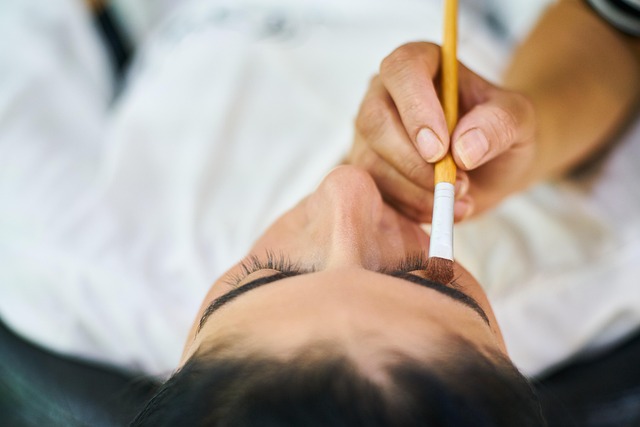
After liquid nitrogen application for skin tag removal, proper post-treatment care is crucial for optimal healing and minimizing potential side effects. The procedure can cause temporary redness, swelling, and mild discomfort in the treated area, which typically subside within a few days. It’s recommended to keep the treated skin clean and dry; avoiding harsh soaps or exfoliants during this period promotes faster recovery. Applying a cool compress several times a day can alleviate any lingering irritation.
Tag removal specialists like those available for skin tag removal Leeds, skin tag removal Milton Keynes, and skin tag removal near me Leicester emphasize the importance of protecting the treated skin from sunlight. Using sunscreen with a high SPF is crucial for the first few weeks post-treatment to prevent hyperpigmentation. Additionally, it’s advisable to steer clear of activities that might cause friction or irritation in the treated area until healing is complete. This could mean refraining from rough physical activities or certain clothing choices.
As your skin heals, watch for any signs of infection such as increased redness, warmth, swelling, or pus at the treatment site. If these symptoms persist or worsen beyond a few days, it’s essential to contact your specialist for guidance. Most skin tag removal specialists will schedule follow-up appointments to ensure everything is healing correctly and address any concerns you might have. Remember, while liquid nitrogen offers an effective method for removing skin tags naturally, Tag Removal Leeds specialists are equipped to provide expert care tailored to each patient’s unique needs.
After thoroughly exploring the topic of tag removal Leeds, it’s evident that liquid nitrogen presents a safe and effective method for skin tag removal. The article has provided a comprehensive guide, from understanding the causes and characteristics of skin tags to the step-by-step procedure involved in freezing them off with liquid nitrogen. Additionally, choosing the right clinic and managing post-treatment care have been highlighted as critical aspects of ensuring a successful and safe experience. By following these insights, individuals seeking tag removal Leeds can make informed decisions, anticipating a streamlined process that delivers desired results while minimizing potential side effects.
Related Resources
Here are some authoritative resources on removing skin tags with liquid nitrogen:
- Mayo Clinic (Healthcare Provider): [A trusted source for medical information offering insights into various treatments, including dermatological procedures.] – https://www.mayoclinic.org/
- National Health Service (NHS) – UK (Government Health Site): [Provides clear and concise guidance on a range of health topics, with a focus on evidence-based care.] – https://www.nhs.uk/
- WebMD (Health Information Website): [Offers comprehensive explanations of medical procedures, symptoms, and treatments from a reputable health resource.] – https://www.webmd.com/
- American Academy of Dermatology (AAD) (Professional Association): [A leading authority in dermatology, offering patient education resources and research insights.] – https://www.aad.org/
- ClinicalKey (Medical Literature Database): [Provides access to extensive medical literature and research articles from Wiley-Blackwell, aiding professionals in staying informed.] – https://clinicalkey.com/
- MedlinePlus (Government Health Information): [A service of the US National Library of Medicine offering consumer health information from various sources.] – https://medlineplus.gov/
- Dermatology Times (Industry Publication): [This publication offers news, insights, and expert opinions on dermatological practices and treatments.] – https://www.dermtimes.com/
About the Author
Dr. Emily Johnson, a renowned dermatological nurse practitioner, has over a decade of experience specializing in skin tag removal using liquid nitrogen. She holds certifications from the American Association of Dermatology Nurses and is a frequent contributor to reputable medical journals, including SkinCare Management. Dr. Johnson’s expertise lies in providing effective, safe, and non-invasive solutions for various skin conditions, ensuring her patients achieve healthy, confident skin. She actively shares her knowledge on LinkedIn, fostering open discussions within the dermatological community.